
When it comes to teamwork and communication, the film industry does it like no other. Directors, producers, editors, and crews all work in perfect sync—often under intense pressure and tight deadlines. So what’s their secret? It’s not just talent—it’s the visual tools they use to plan, share, and bring ideas to life. And here’s the good news: your team doesn’t need to be in Hollywood to use them. Visual storytelling tools are becoming essential in all kinds of workplaces—from creative agencies and startups to remote teams and corporate departments. These tools don’t just look good—they improve collaboration, engagement, and execution. Let’s break down how adopting film studio-style visuals can seriously elevate your team’s game.
Storyboarding: Not Just for Directors Anymore
 Storyboards are the unsung heroes of the movie-making process. They lay out scenes visually, helping everyone on set understand the flow before the cameras even roll. But beyond the film industry, storyboards can also be a game-changer for project management, marketing campaigns, and product development. Platforms like https://freeslideshows.com/ make it easy for any team to build custom visual presentations and flow-based slideshows that mirror the style and structure of film storyboards. Whether you’re mapping out customer journeys or preparing a pitch deck, turning abstract ideas into concrete visuals keeps everyone aligned and focused.
Mood Boards and Concept Decks Build Stronger Creative Vision
Top film studios rely heavily on mood boards and concept decks to communicate a project’s look and feel before a single frame is shot. These tools collect colors, textures, character inspiration, and visual styles that guide the entire production. In the workplace, these same tools help teams rally around a clear creative vision—especially in branding, advertising, or product design. A well-crafted mood board can align cross-functional teams, minimize back-and-forths, and help leadership buy into the bigger picture without needing lengthy explanations.
Animatics and Mockups Create Real-Time Feedback Loops
An animatic is essentially a moving storyboard—think of it as a slideshow with sound and pacing, used by directors to time scenes before filming. Now, in a business context, this idea translates beautifully into prototypes and mockups. Instead of waiting until the end of a project to get feedback, your team can use lightweight animation tools or interactive slides to show how something will work. This gives stakeholders a tangible preview early in the process and creates space for real-time revisions. The result? Fewer surprises, smoother approvals, and better outcomes.
Visual Breakdowns Make Complex Information Easy to Understand
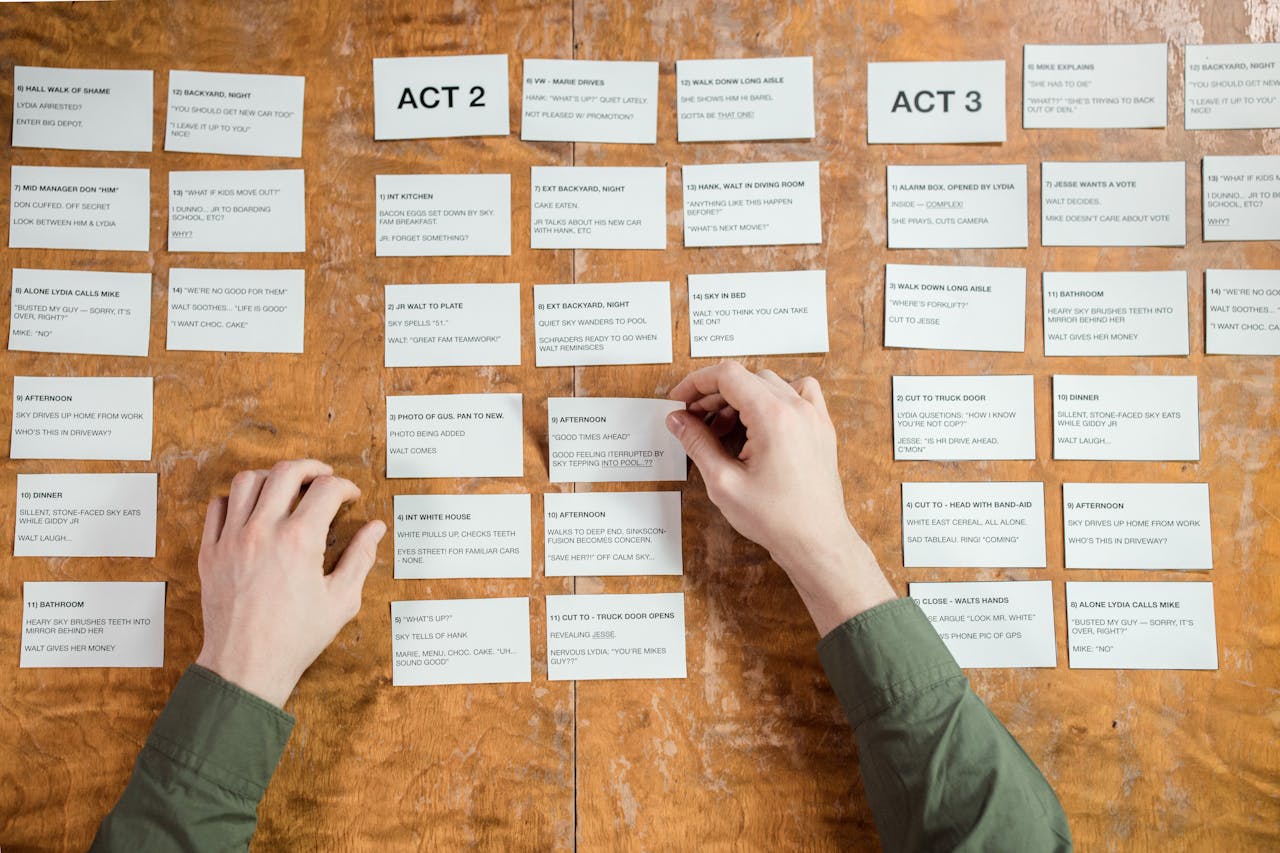
Ever wonder how film studios communicate massive amounts of technical detail across huge crews? The answer lies in visual breakdowns. Whether it’s lighting diagrams, shot lists, or special effects workflows, visuals cut through complexity better than walls of text. For your team, applying the same approach to presentations, strategy documents, and training materials makes the content more digestible. Visual breakdowns help your audience absorb information faster and retain it longer. From internal reports to client pitches, clarity equals confidence.
Collaborative Visual Tools Boost Remote Team Engagement
With more teams working remotely, engagement has become a real challenge. One lesson from the film world is that visual collaboration keeps teams on the same page, even when they’re in different time zones. Whether it’s a shared digital whiteboard, an evolving pitch deck, or a virtual storyboard, these tools promote active involvement. When everyone can contribute visually—and not just in text—they’re more likely to stay connected and feel invested in the outcome. It’s a creative, inclusive way to keep the momentum going across borders and departments.
You don’t need a director’s chair or a film set to benefit from the visual tools that power blockbuster productions. With smart platforms and a little inspiration, any team can adopt these techniques to improve clarity, collaboration, and creativity. Whether you’re pitching a product, launching a campaign, or aligning a remote team, visual tools bring your vision to life—and help everyone see the bigger picture.