Archive 2025-10-10

One Week to Victory: How to Get Better at Fortnite Fast

fortnite

Fortnite can feel overwhelming if you’re just starting out, but you don’t need months to see real progress. In no time, you’ll start using this fortnite wallpaper on your PC. With focus and the right approach, seven days is enough to sharpen your skills and start pulling off wins. Changing your mindset, refining mechanics, and even adding small touches like a new fortnite wallpaper for inspiration can keep you motivated. Improvement comes quicker when you combine practice with smart strategies.

Master Building as Your Foundation

computer Building is what makes Fortnite different from other battle royale games. If you can’t build, you’re basically walking into a fight half-armed. Dedicate daily practice to simple structures like ramps, walls, and boxes until they become second nature. The trick is to train muscle memory so that your fingers move without hesitation when pressure hits. Don’t try to master complex build fights right away. Instead, pick one or two patterns and repeat them until you can execute them at full speed. You’ll notice that even basic walls placed at the right time save you from unnecessary damage. Once you have the fundamentals down, layering advanced techniques becomes far easier.

Sharpen Your Aim Every Day

Good aim separates casual players from consistent winners. Even if you outbuild your opponent, poor shots will still cost you fights. Spend a few minutes each session in creative aim maps or training zones. Quick reflex drills and flick shots help retrain your brain to act faster. Tracking is just as important as accuracy. Practice following moving targets instead of just snapping to still ones. Combine this with sensitivity adjustments that feel comfortable. Once you nail a balance between speed and precision, you’ll find your fights ending much more in your favor.

Movement Makes or Breaks Engagements

Many players underestimate how important movement is in Fortnite. Standing still or running in a straight line is basically an open invitation to get sniped. Practice jump-peeking, crouch-spamming, and mixing up your direction during gunfights. It’s these tiny shifts that throw off an enemy’s rhythm. Map awareness is another key factor. Knowing when to rotate early or avoid congested zones can keep you alive longer. Use movement tools like launch pads or grapplers wisely instead of randomly. Smart mobility choices can sometimes matter more than raw shooting skill.

Create a Daily Routine That Fits You

man

Seven days isn’t long, but consistency makes all the difference. Break your sessions into smaller chunks instead of grinding for hours. For example, warm up in creative mode, play a handful of matches, then review what went wrong. This habit makes improvement structured rather than random. Mindset also plays a big role. Don’t treat every loss as a failure; treat it like data. Ask yourself why you lost—bad aim, poor positioning, or missed edits? Adjust and re-enter matches with that lesson fresh in your head. With this approach, progress feels steady instead of frustrating.

With one week of consistent effort, smart habits, and a mindset that mixes learning with fun, your Fortnite game can level up fast. Building, aiming, moving, and keeping your cool will all come together, and those wins will feel closer than ever.…


Enhance Your Team’s Performance with Innovative Visual Tools Used by Top Film Studios 

filming

When it comes to teamwork and communication, the film industry does it like no other. Directors, producers, editors, and crews all work in perfect sync—often under intense pressure and tight deadlines. So what’s their secret? It’s not just talent—it’s the visual tools they use to plan, share, and bring ideas to life. And here’s the good news: your team doesn’t need to be in Hollywood to use them.  Visual storytelling tools are becoming essential in all kinds of workplaces—from creative agencies and startups to remote teams and corporate departments. These tools don’t just look good—they improve collaboration, engagement, and execution. Let’s break down how adopting film studio-style visuals can seriously elevate your team’s game. 

Storyboarding: Not Just for Directors Anymore 

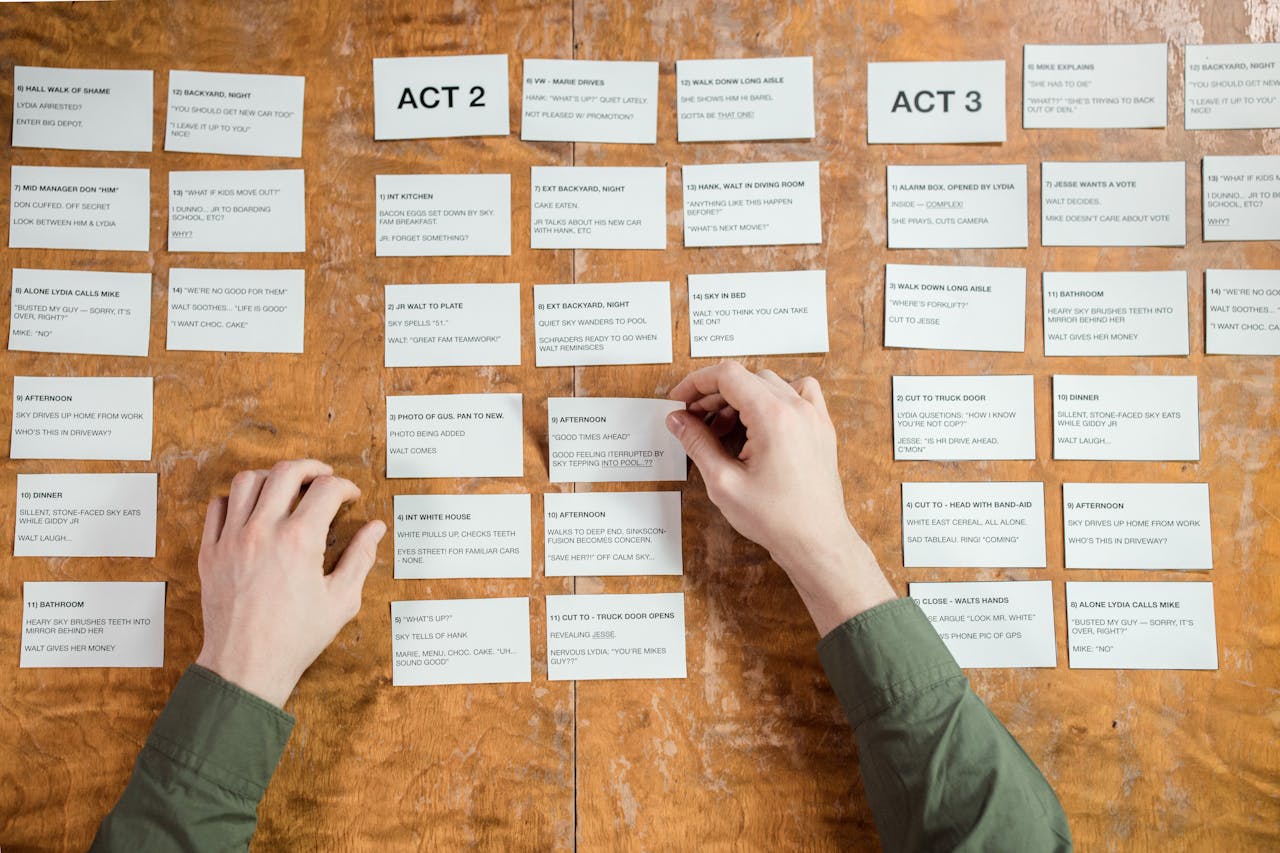
pen Storyboards are the unsung heroes of the movie-making process. They lay out scenes visually, helping everyone on set understand the flow before the cameras even roll. But beyond the film industry, storyboards can also be a game-changer for project management, marketing campaigns, and product development.  Platforms like https://freeslideshows.com/ make it easy for any team to build custom visual presentations and flow-based slideshows that mirror the style and structure of film storyboards. Whether you’re mapping out customer journeys or preparing a pitch deck, turning abstract ideas into concrete visuals keeps everyone aligned and focused. 

Mood Boards and Concept Decks Build Stronger Creative Vision 

Top film studios rely heavily on mood boards and concept decks to communicate a project’s look and feel before a single frame is shot. These tools collect colors, textures, character inspiration, and visual styles that guide the entire production. In the workplace, these same tools help teams rally around a clear creative vision—especially in branding, advertising, or product design. A well-crafted mood board can align cross-functional teams, minimize back-and-forths, and help leadership buy into the bigger picture without needing lengthy explanations. 

Animatics and Mockups Create Real-Time Feedback Loops 

An animatic is essentially a moving storyboard—think of it as a slideshow with sound and pacing, used by directors to time scenes before filming. Now, in a business context, this idea translates beautifully into prototypes and mockups. Instead of waiting until the end of a project to get feedback, your team can use lightweight animation tools or interactive slides to show how something will work. This gives stakeholders a tangible preview early in the process and creates space for real-time revisions. The result? Fewer surprises, smoother approvals, and better outcomes. 

Visual Breakdowns Make Complex Information Easy to Understand 

notes

Ever wonder how film studios communicate massive amounts of technical detail across huge crews? The answer lies in visual breakdowns. Whether it’s lighting diagrams, shot lists, or special effects workflows, visuals cut through complexity better than walls of text.  For your team, applying the same approach to presentations, strategy documents, and training materials makes the content more digestible. Visual breakdowns help your audience absorb information faster and retain it longer. From internal reports to client pitches, clarity equals confidence. 

Collaborative Visual Tools Boost Remote Team Engagement 

With more teams working remotely, engagement has become a real challenge. One lesson from the film world is that visual collaboration keeps teams on the same page, even when they’re in different time zones. Whether it’s a shared digital whiteboard, an evolving pitch deck, or a virtual storyboard, these tools promote active involvement.  When everyone can contribute visually—and not just in text—they’re more likely to stay connected and feel invested in the outcome. It’s a creative, inclusive way to keep the momentum going across borders and departments. 

You don’t need a director’s chair or a film set to benefit from the visual tools that power blockbuster productions. With smart platforms and a little inspiration, any team can adopt these techniques to improve clarity, collaboration, and creativity. Whether you’re pitching a product, launching a campaign, or aligning a remote team, visual tools bring your vision to life—and help everyone see the bigger picture.  

Reasons to Try Multiplayer Online Video Games With Your Friends

There’s something electric about jumping into an online game with your closest friends. A classic like World of Warcraft proves just how deep and immersive shared gameplay can be. It’s the kind of game that pulls you into epic quests, massive battles, and endless laughs when your friend accidentally pulls the wrong mob. Somewhere between slaying dragons and comparing loot, someone always throws out a random question like, “can you play world of warcraft on ps5?” It’s not just about chasing points or bragging rights—it’s about laughter, inside jokes, and ridiculous moments that you can’t script.

Whether it’s late-night battles or team missions gone hilariously wrong, the shared experience hits different. You don’t need a fancy setup or hours of free time. All it takes is a decent connection and a group chat. Suddenly, you’re all in the same virtual zone, yelling, laughing, and trying not to get each other eliminated.

Instant Connection, No Matter the Distance

Long-distance friendships are hard to maintain. But when you’re both battling zombies or racing to the finish line, the miles fade away. Multiplayer games act like digital hangouts, where everyone shows up in sweatpants and chaos is expected. No need for plane tickets or awkward catch-up calls—just log in and play. You’ll hear your friend’s familiar snort-laugh or panic scream like they’re right beside you. These sessions create memories that stick, even if the game itself fades from your library.

A Different Kind of Teamwork

Forget trust falls or corporate retreats—nothing tests friendship like coordinating a boss fight. One person forgets the plan, another triggers a trap, and suddenly you’re all back at the respawn point, laughing or blaming each other. It’s chaotic, often frustrating, but always entertaining. You learn each other’s quirks in real time—who panics under pressure, who sacrifices themselves for the team, and who just wants to loot everything. These games teach communication in ways no group project ever could. And the victories? They’re earned together, and that feels good.

Stress Relief, With a Side of Trash Talk

Life can be heavy. Deadlines, chores, drama—it piles up. But in a game, everything shifts. Suddenly you’re not “you,” you’re a neon-clad warrior yelling at your friend to “cover you while you reload.” That ridiculous energy lets off steam in a way few things can. And the friendly trash talk? It’s therapeutic. You roast each other, get roasted back, and somehow it all resets your brain. Laughter becomes the background music to your session, and for those few hours, reality takes a backseat.

You’ll See Sides of Your Friends You’ve Never Seen

Some people are quiet at dinner but become fearless shot-callers online. Others you thought were calm turn into chaos agents in a firefight. Games pull out personality traits like no therapy session ever could. You learn who’s competitive, who’s strategic, and who’s just here to cause mayhem. These moments show you that friendship has layers—and multiplayer games peel them back one meme-worthy session at a time. It’s not about winning, it’s about discovering who your friends become when pixels and pressure collide. Trying multiplayer online games with friends isn’t just another hobby—it’s a portal to deeper bonds, epic fails, and real laughs. You don’t need to be a pro or even particularly good. The fun is in the mishaps, the teamwork, and the strange sense of togetherness that happens when everything goes off the rails. These games don’t just pass the time—they make time memorable. So grab a headset, pick a game, and dive in. You’ll come for the game, but you’ll stay for the friendship.…